
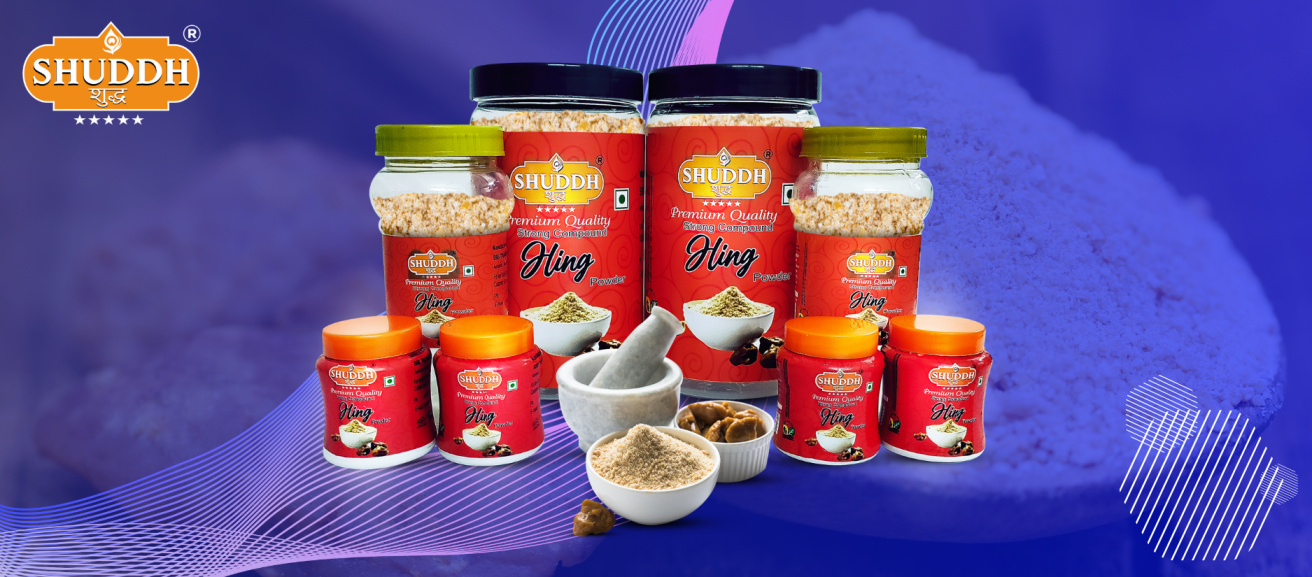
Also known as hing (from Hindi), asafoetida is a dried resin obtained from the roots of a South Asian plant that’s a bit like giant fennel, then powdered. You will usually find it in shops and larger supermarkets in a compound form as a yellow powder (pure asafoetida is brown) that includes other ingredients like rice flour and turmeric — if you’re coeliac, be sure to check that the label says “gluten-free.” One of the reasons for this dilution is that pure asafoetida is very potent and, by most accounts, smells pretty dang bad on its own. So bad in fact that one of its nicknames is “devil’s dung.” But don’t be put off because you only ever need a tiny bit of even the diluted form and then it makes for something completely delicious!!!!
WHAT MAKES IT SO GREAT?
Flavour-wise, asafoetida is close to onion and garlic, which makes it a great substitute for those cutting down on these ingredients, which can be difficult to digest. You only need a little bit to add that much-needed flavour boost, so it’s very economical as well. I liken it to a veggie stock cube in a way — used correctly it adds great depth to veggie dishes. Beyond flavour, asafoetida has the very necessary function of making legumes much more digestible, so it’s great to add to any dish that includes beans or lentils as a main ingredient. In some parts of India, especially in some Hindu and Jain households where legumes are the main source of protein, asafoetida is a must. Try a pinch or two for every 250 grams of legumes. Other cultures around the world use various spices, herbs and plants to make beans more digestible, like cumin, bay leaves or kombu.
Asafoetida helps to balance Kapha and Vata, so definitely add it to your cooking if you’ve got an imbalance in either of those Doshas. Among its many benefits, it aids digestion, helps alleviate period pains, relieve congestion and lower blood sugar, as well as being anti-aging and aphrodisiac! It can also help reduce the symptoms of IBS.
How to cook asafoetida?
Generally, the yellow, diluted asafoetida powder is used to the proportion of a pinch or two, to 250g of the main ingredient. The undiluted powder is used in smaller amounts. You’ll quickly discover if you like more or less, and there’s no harm done if you use too much – longer cooking mellows it.
Asafoetida works best when fried for 5 to 10 seconds in hot oil until its pungency is dramatically obvious – make sure you have the extractor on or a window open – then add other ingredients to stop it burning.
Even small amounts of asafoetida give a comforting onion-garlic flavour, which is especially good in vegetarian dishes, curries and stews – almost anywhere you would use onion and/or garlic.
Tiny amounts give a gentle lift to fish, egg or cheese dishes where onion would be too coarse or bulky. That includes in salads and salad dressings, too.
Asafoetida is also a natural defeater of intestinal wind, and that alone recommends it for inclusion in any and everything that includes lentils or beans.
How to store asafoetida
It’s best to keep asafoetida sealed in an airtight container to prevent the smell spreading through your home. Asafoetida’s degree of pungency is directly proportionate to its freshness, as its volatile oil escapes easily and the essence then fades. Take great care storing it and replace often if you use it regularly.
Availability of asafoetida
Easily available online, from bigger supermarkets and from Indian spice stockists, where it is known as ‘hing’. Choose the best asafoetida from Shuddh Hing (www.sasimooverseas.com)
Asafoetida comes in two main forms.
The brown powder is the full-strength dried gum that’s been ground; it’s extremely pungent and must be used in very, very small amounts.
It’s easier to use it as a yellow powder, when it’s been diluted with flour or rice flour and turmeric, but should still be used scantly. Different producers temper it differently, so check the packaging for directions.